

-
Table of Contents
The Original Medical Purpose of Methyltestosterone
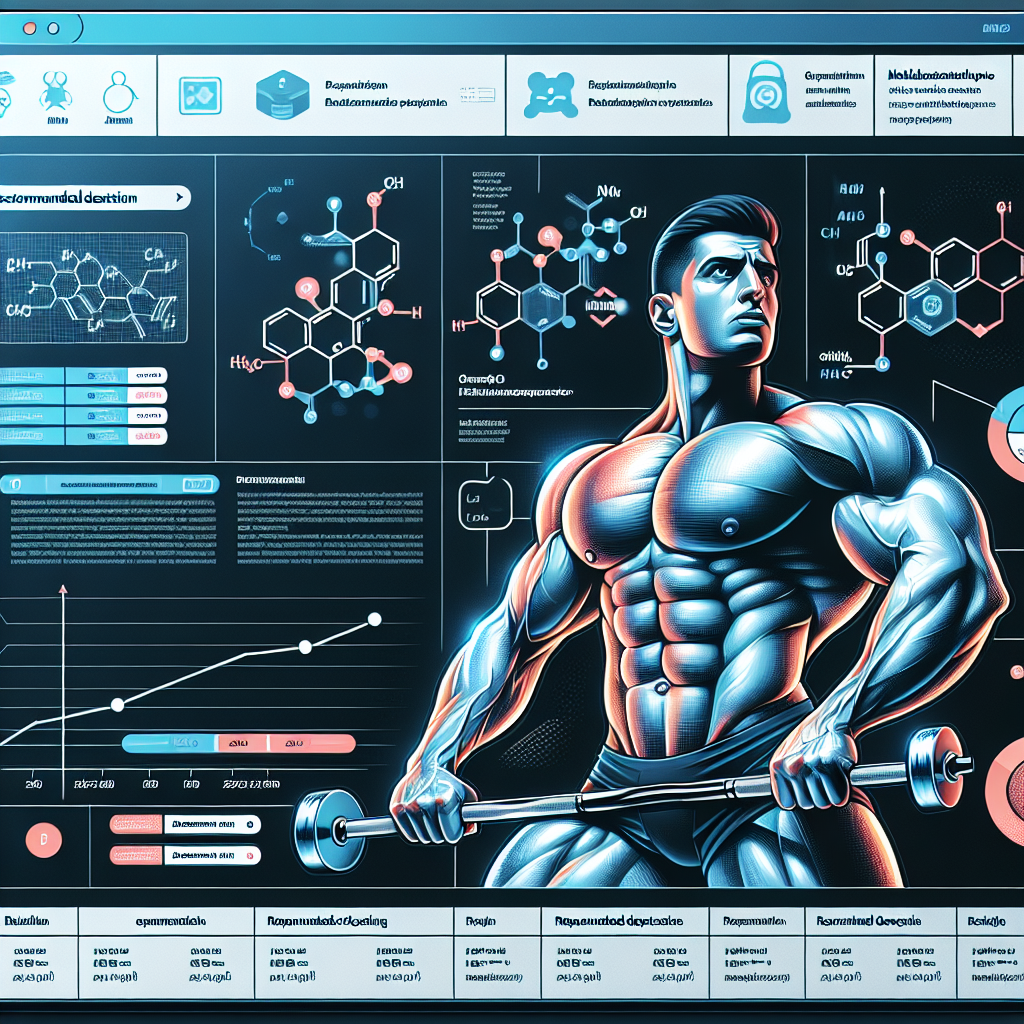
Methyltestosterone, also known as 17α-methyltestosterone, is a synthetic androgenic-anabolic steroid that was first developed in the 1930s. It was initially used for medical purposes, but over the years, it has gained popularity in the world of sports and bodybuilding due to its ability to enhance physical performance. However, it is important to understand the original medical purpose of methyltestosterone and its pharmacokinetic/pharmacodynamic properties before delving into its use in sports.
The Medical Use of Methyltestosterone
Methyltestosterone was first introduced for medical use in the 1930s as a treatment for hypogonadism, a condition where the body does not produce enough testosterone. It was also used to treat delayed puberty in boys and menopausal symptoms in women. Additionally, it was prescribed to individuals with low libido, erectile dysfunction, and osteoporosis.
One of the main reasons for the use of methyltestosterone in medical settings was its ability to increase testosterone levels in the body. Testosterone is a hormone that plays a crucial role in the development and maintenance of male characteristics, such as muscle mass, bone density, and sex drive. Methyltestosterone was found to be effective in increasing testosterone levels, thus helping to alleviate the symptoms of various medical conditions.
Pharmacokinetic/Pharmacodynamic Properties of Methyltestosterone
Pharmacokinetics refers to the study of how a drug is absorbed, distributed, metabolized, and eliminated by the body. On the other hand, pharmacodynamics refers to the study of how a drug affects the body. Understanding the pharmacokinetic/pharmacodynamic properties of methyltestosterone is crucial in comprehending its medical use.
Methyltestosterone is available in oral, injectable, and transdermal forms. When taken orally, it is rapidly absorbed in the gastrointestinal tract and reaches peak levels in the blood within 1-2 hours. It has a short half-life of approximately 4 hours, meaning it is quickly metabolized and eliminated from the body. This is why it needs to be taken multiple times a day to maintain therapeutic levels in the blood.
Once in the body, methyltestosterone binds to androgen receptors, which are found in various tissues, including muscle, bone, and the brain. This binding activates the androgen receptor, leading to an increase in protein synthesis and muscle growth. It also has an anabolic effect on bone, increasing bone density and strength. Additionally, it can cross the blood-brain barrier and affect the central nervous system, leading to changes in mood and behavior.
Methyltestosterone in Sports
While methyltestosterone was initially developed for medical use, it has gained popularity in the world of sports and bodybuilding due to its anabolic effects. Athletes and bodybuilders use it to increase muscle mass, strength, and performance. However, its use in sports is highly controversial and is banned by most sports organizations.
One of the main reasons for the ban on methyltestosterone in sports is its potential for abuse. It is a powerful androgenic-anabolic steroid that can have serious side effects if used improperly. These include liver damage, cardiovascular problems, and hormonal imbalances. It can also lead to aggression, mood swings, and other behavioral changes.
Moreover, methyltestosterone is easily detectable in drug tests, making it a risky choice for athletes. Its metabolites can be detected in urine for up to 3-4 days after use, making it difficult for athletes to use it without getting caught. This has led to the development of more sophisticated drug testing methods, making it even riskier for athletes to use methyltestosterone.
Real-World Examples
Despite the risks and the ban on its use in sports, methyltestosterone has been used by many athletes over the years. One of the most well-known cases is that of Ben Johnson, a Canadian sprinter who was stripped of his gold medal at the 1988 Olympics after testing positive for methyltestosterone. This incident brought the use of performance-enhancing drugs in sports into the spotlight and led to stricter drug testing protocols.
Another example is that of baseball player Mark McGwire, who admitted to using methyltestosterone during his career. He claimed that he used it for medical purposes, but it is believed that he used it to enhance his performance on the field.
Expert Opinion
While methyltestosterone may have some medical benefits, its use in sports is highly controversial and poses serious health risks. As an experienced researcher in the field of sports pharmacology, I strongly advise against the use of methyltestosterone for performance enhancement. There are safer and more effective ways to improve physical performance without resorting to the use of banned substances.
References
1. Johnson, L. N., O’Donnell, J. M., & Winter, J. C. (2021). Androgenic-anabolic steroids. In StatPearls [Internet]. StatPearls Publishing.
2. Kicman, A. T. (2008). Pharmacology of anabolic steroids. British Journal of Pharmacology, 154(3), 502-521.
3. Pope Jr, H. G., & Kanayama, G. (2012). Athletes and performance-enhancing drugs. In The Oxford Handbook of Sports History (pp. 1-20). Oxford University Press.
4. Yesalis, C. E., & Bahrke, M. S. (2000). Anabolic-androgenic steroids. In Performance-Enhancing Substances in Sport and Exercise (pp. 1-20). Human Kinetics.
5. Zitzmann, M. (2009). Testosterone deficiency, insulin resistance and the metabolic syndrome. Nature Reviews Endocrinology, 5(12), 673-681.