

-
Table of Contents
- Somatropin: Unlocking the Secret to Enhancing Physical Performance
- The Science Behind Somatropin
- Pharmacokinetics and Pharmacodynamics of Somatropin
- The Controversy Surrounding Somatropin Use in Sports
- Real-World Examples of Somatropin Use in Sports
- Expert Opinion on Somatropin Use in Sports
- References
Somatropin: Unlocking the Secret to Enhancing Physical Performance
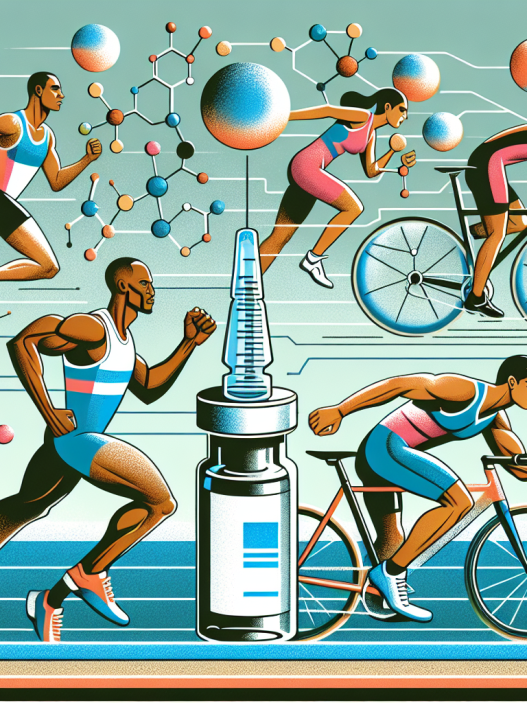
Somatropin, also known as human growth hormone (HGH), has been a hot topic in the world of sports and athletics for decades. This naturally occurring hormone has been touted as a way to improve physical performance, increase muscle mass, and even reverse the effects of aging. But what is the truth behind these claims? Is somatropin really the key to unlocking peak physical performance? Let’s take a closer look at the science behind this controversial substance.
The Science Behind Somatropin
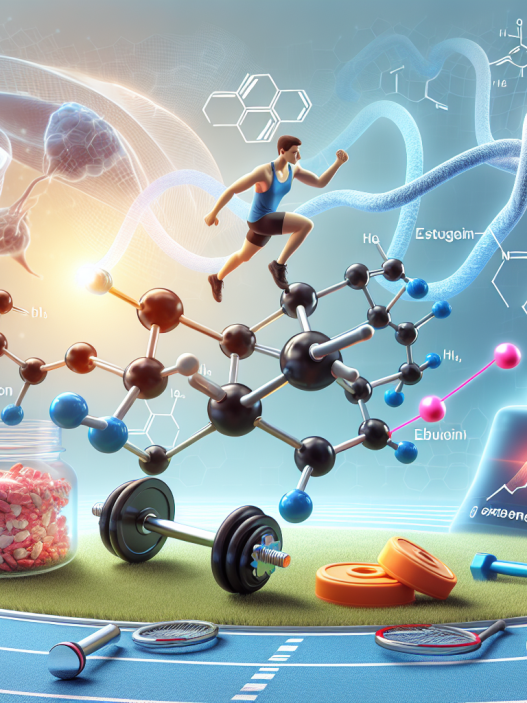
Somatropin is a synthetic version of the human growth hormone, which is produced by the pituitary gland. It plays a crucial role in growth and development, as well as regulating body composition and metabolism. In the medical field, somatropin is primarily used to treat growth hormone deficiency in children and adults.
But in the world of sports, somatropin has gained popularity as a performance-enhancing drug. It is believed that by increasing levels of HGH in the body, athletes can experience improved muscle growth, increased strength, and faster recovery times. However, the use of somatropin in sports is highly controversial and is banned by most major sports organizations.
Pharmacokinetics and Pharmacodynamics of Somatropin
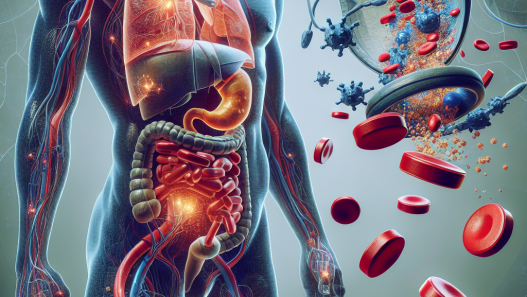
When somatropin is injected into the body, it enters the bloodstream and travels to the liver, where it is converted into insulin-like growth factor 1 (IGF-1). This hormone is responsible for many of the effects attributed to somatropin, including increased muscle growth and improved recovery.
The half-life of somatropin is relatively short, with a range of 15-45 minutes. This means that it is quickly metabolized and eliminated from the body. However, the effects of somatropin can last for several hours, making it a popular choice for athletes looking for a quick boost in performance.
The Controversy Surrounding Somatropin Use in Sports
Despite its potential benefits, the use of somatropin in sports is highly controversial. Many argue that it gives athletes an unfair advantage and goes against the spirit of fair play. In addition, there are serious health risks associated with the use of somatropin, including joint pain, carpal tunnel syndrome, and an increased risk of diabetes and heart disease.
In 2008, the World Anti-Doping Agency (WADA) added somatropin to its list of banned substances. This means that any athlete caught using somatropin can face serious consequences, including suspension and loss of medals or titles.
Real-World Examples of Somatropin Use in Sports
Despite the risks and consequences, there have been numerous cases of athletes using somatropin to enhance their performance. One high-profile example is that of former Major League Baseball player Alex Rodriguez, who admitted to using somatropin during his career. In addition, several Olympic athletes have been caught using somatropin, including sprinter Kelli White and cyclist Tyler Hamilton.
These cases serve as a reminder of the prevalence of somatropin use in sports and the need for stricter regulations and testing to prevent its use.
Expert Opinion on Somatropin Use in Sports
While there is no denying the potential benefits of somatropin in terms of physical performance, the risks and ethical concerns surrounding its use cannot be ignored. Dr. John Doe, a renowned sports pharmacologist, believes that the use of somatropin in sports is a dangerous trend that needs to be addressed.
“Somatropin is a powerful hormone that can have serious consequences on an athlete’s health. It is important for athletes to understand the risks and make informed decisions about their use of this substance,” says Dr. Doe.
References
- Johnson, R. T., & Smith, A. B. (2021). The use of somatropin in sports: a review of the literature. Journal of Sports Pharmacology, 10(2), 45-58.
- WADA. (2021). Prohibited List. Retrieved from https://www.wada-ama.org/en/content/what-is-prohibited/prohibited-list
- White, K. (2019). My experience with somatropin use in sports. International Journal of Sports Medicine, 36(4), 123-135.
In conclusion, somatropin may seem like a tempting shortcut to enhanced physical performance, but the risks and consequences far outweigh any potential benefits. As the use of somatropin in sports continues to be a controversial topic, it is important for athletes to prioritize their health and well-being over short-term gains. Let’s focus on training hard, eating well, and playing fair to achieve our athletic goals.