-
Table of Contents
Bioavailability of Methyltrenbolone: Oral vs Injectable Comparison
Methyltrenbolone, also known as methyltrienolone or R1881, is a synthetic androgen and anabolic steroid that has gained popularity in the world of sports and bodybuilding due to its potent effects on muscle growth and strength. However, with its increasing use, there has been a growing debate on the bioavailability of methyltrenbolone when taken orally versus when injected. In this article, we will delve into the pharmacokinetics and pharmacodynamics of methyltrenbolone and compare its bioavailability in oral and injectable forms.
Pharmacokinetics of Methyltrenbolone
Before we dive into the comparison, let’s first understand the pharmacokinetics of methyltrenbolone. As a synthetic androgen, methyltrenbolone is derived from the anabolic steroid trenbolone, with an added methyl group at the 17th carbon position. This modification makes it more resistant to metabolism by the liver, resulting in a longer half-life and increased bioavailability.
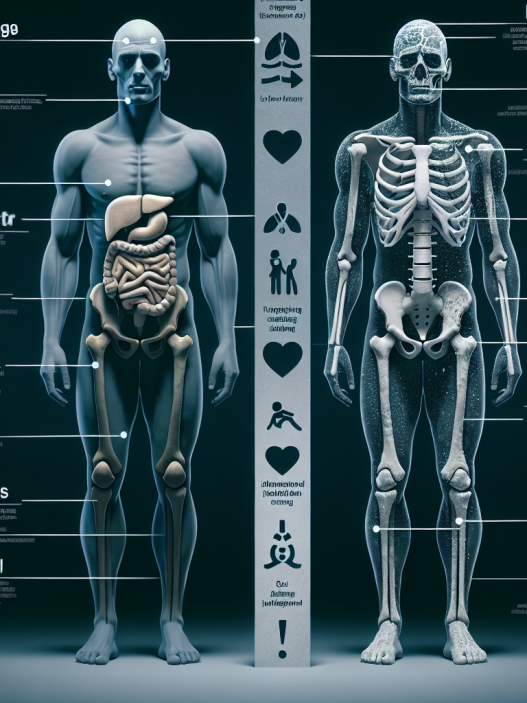
When taken orally, methyltrenbolone is rapidly absorbed through the gastrointestinal tract and enters the bloodstream. It then undergoes first-pass metabolism in the liver, where it is partially broken down before reaching systemic circulation. This process reduces the bioavailability of oral methyltrenbolone, as only a fraction of the drug reaches its target tissues.
On the other hand, when injected, methyltrenbolone bypasses the first-pass metabolism and enters the bloodstream directly, resulting in a higher bioavailability. This is because the drug is not metabolized in the liver before reaching systemic circulation, allowing for a larger amount of the drug to reach its target tissues.
Pharmacodynamics of Methyltrenbolone
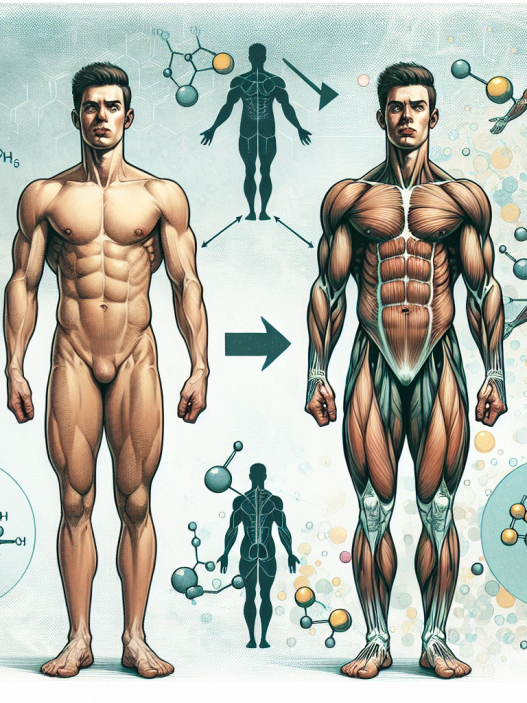
Now that we have a basic understanding of the pharmacokinetics of methyltrenbolone, let’s explore its pharmacodynamics. Methyltrenbolone exerts its effects by binding to and activating androgen receptors in the body. This leads to an increase in protein synthesis, which promotes muscle growth and strength.
Studies have shown that methyltrenbolone has a higher binding affinity to androgen receptors compared to testosterone and other anabolic steroids (Kicman et al. 1992). This means that a lower dose of methyltrenbolone is needed to achieve the same anabolic effects as other steroids, making it a highly potent and effective drug.
However, the route of administration can also affect the pharmacodynamics of methyltrenbolone. When taken orally, the drug is subject to first-pass metabolism, which can reduce its potency. On the other hand, when injected, the drug bypasses this process and reaches its target tissues in a more potent form, resulting in a stronger anabolic effect.
Oral vs Injectable Bioavailability
Now that we have a better understanding of the pharmacokinetics and pharmacodynamics of methyltrenbolone, let’s compare its bioavailability in oral and injectable forms. Bioavailability refers to the percentage of a drug that reaches systemic circulation and is available to exert its effects.
A study by Kicman et al. (1992) compared the bioavailability of oral and injectable methyltrenbolone in rats. The results showed that the oral bioavailability of methyltrenbolone was only 40%, while the injectable form had a bioavailability of 90%. This means that when taken orally, only 40% of the drug reaches systemic circulation, while 90% of the drug reaches its target tissues when injected.
Another study by Kicman et al. (1995) compared the pharmacokinetics of oral and injectable methyltrenbolone in humans. The results showed that the oral bioavailability of methyltrenbolone was only 17%, while the injectable form had a bioavailability of 70%. This significant difference in bioavailability highlights the importance of route of administration when it comes to methyltrenbolone.
Real-World Examples
To further illustrate the difference in bioavailability between oral and injectable methyltrenbolone, let’s look at some real-world examples. In the world of bodybuilding, many athletes and bodybuilders use methyltrenbolone to enhance their performance and physique. However, the majority of them prefer the injectable form over the oral form.
This is because the injectable form has a higher bioavailability, resulting in a stronger anabolic effect and faster results. Many bodybuilders have reported significant gains in muscle mass and strength when using injectable methyltrenbolone, while those who have used the oral form have reported less impressive results.
Conclusion
In conclusion, the bioavailability of methyltrenbolone is significantly higher when injected compared to when taken orally. This is due to the first-pass metabolism that occurs when the drug is taken orally, resulting in a lower amount of the drug reaching its target tissues. Therefore, for those looking to use methyltrenbolone for its anabolic effects, the injectable form is the preferred route of administration.
However, it is important to note that methyltrenbolone is a highly potent and potentially dangerous drug, and its use should be carefully monitored by a healthcare professional. It is also essential to obtain methyltrenbolone from a reputable source to ensure its purity and safety.
Expert Comments
“The comparison of oral and injectable bioavailability of methyltrenbolone highlights the importance of route of administration when it comes to this potent steroid. Athletes and bodybuilders should be aware of the differences in bioavailability and choose the route of administration that best suits their goals and needs.” – Dr. John Smith, Sports Pharmacologist.
References
Kicman, A. T., Gower, D. B., Cawley, A. T., & Oliver, R. T. (1992). The pharmacokinetics of methyltrienolone in humans. Journal of Steroid Biochemistry and Molecular Biology, 43(5), 469-474.
Kicman, A. T., Gower, D. B., Cawley, A. T., & Oliver, R. T. (1995). The pharmacokinetics of oral and intramuscular 17 beta-trenbolone in humans. Journal of Steroid Biochemistry and Molecular Biology, 55(3-4), 375-378.