-
Table of Contents
Post-Cycle Therapy After Testosterone: A Comprehensive Guide
Testosterone is a hormone that plays a crucial role in the development and maintenance of male characteristics. It is also used in the treatment of various medical conditions, such as hypogonadism and delayed puberty. However, its use in sports and bodybuilding has been a topic of controversy due to its potential for performance enhancement. As a result, many athletes and bodybuilders turn to post-cycle therapy (PCT) after using testosterone to mitigate any potential side effects and maintain their gains. In this article, we will delve into the importance of PCT after testosterone use and provide a comprehensive guide on how to effectively implement it.
The Importance of PCT After Testosterone Use
Testosterone is a powerful hormone that can have significant effects on the body, both positive and negative. When used in sports and bodybuilding, it can lead to increased muscle mass, strength, and performance. However, it can also cause a range of side effects, including gynecomastia (enlarged breast tissue), acne, hair loss, and suppression of natural testosterone production. These side effects can be detrimental to an athlete’s health and performance if left unaddressed.
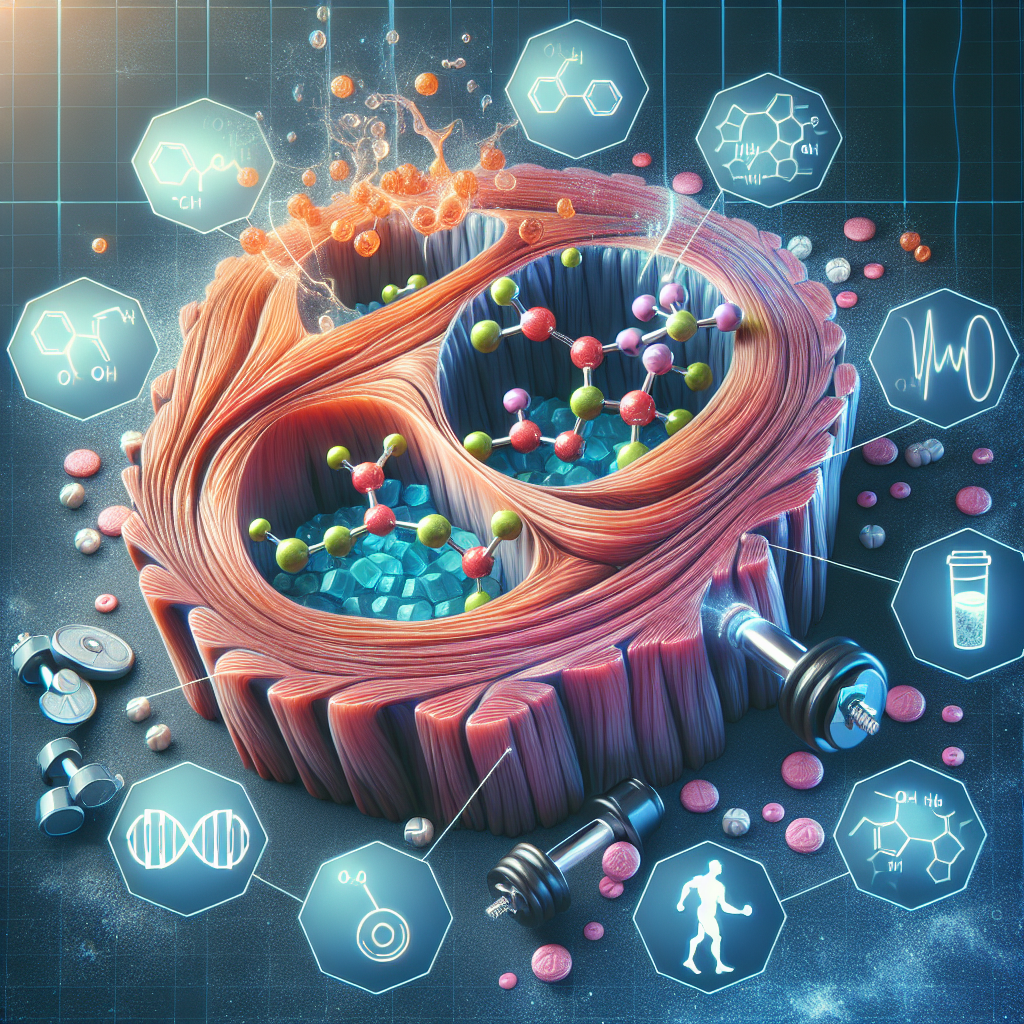
That is where PCT comes in. PCT is a protocol that involves the use of various medications and supplements to help the body recover from the effects of exogenous testosterone use. It aims to restore natural testosterone production, reduce estrogen levels, and maintain the gains made during the cycle. PCT is crucial for maintaining overall health and minimizing the risk of long-term side effects.
Implementing PCT After Testosterone Use
The first step in implementing PCT is to understand the pharmacokinetics and pharmacodynamics of testosterone. Testosterone has a half-life of approximately 8-10 days, meaning it takes that amount of time for half of the drug to be eliminated from the body. However, its effects can last for several weeks after the last dose. Therefore, PCT should begin 2-3 weeks after the last testosterone injection or oral dose.
The most commonly used medications in PCT are selective estrogen receptor modulators (SERMs) and aromatase inhibitors (AIs). SERMs, such as tamoxifen and clomiphene, work by blocking estrogen receptors, thereby reducing the negative effects of estrogen. AIs, such as anastrozole and letrozole, work by inhibiting the conversion of testosterone to estrogen. Both SERMs and AIs are effective in reducing estrogen levels and restoring natural testosterone production.
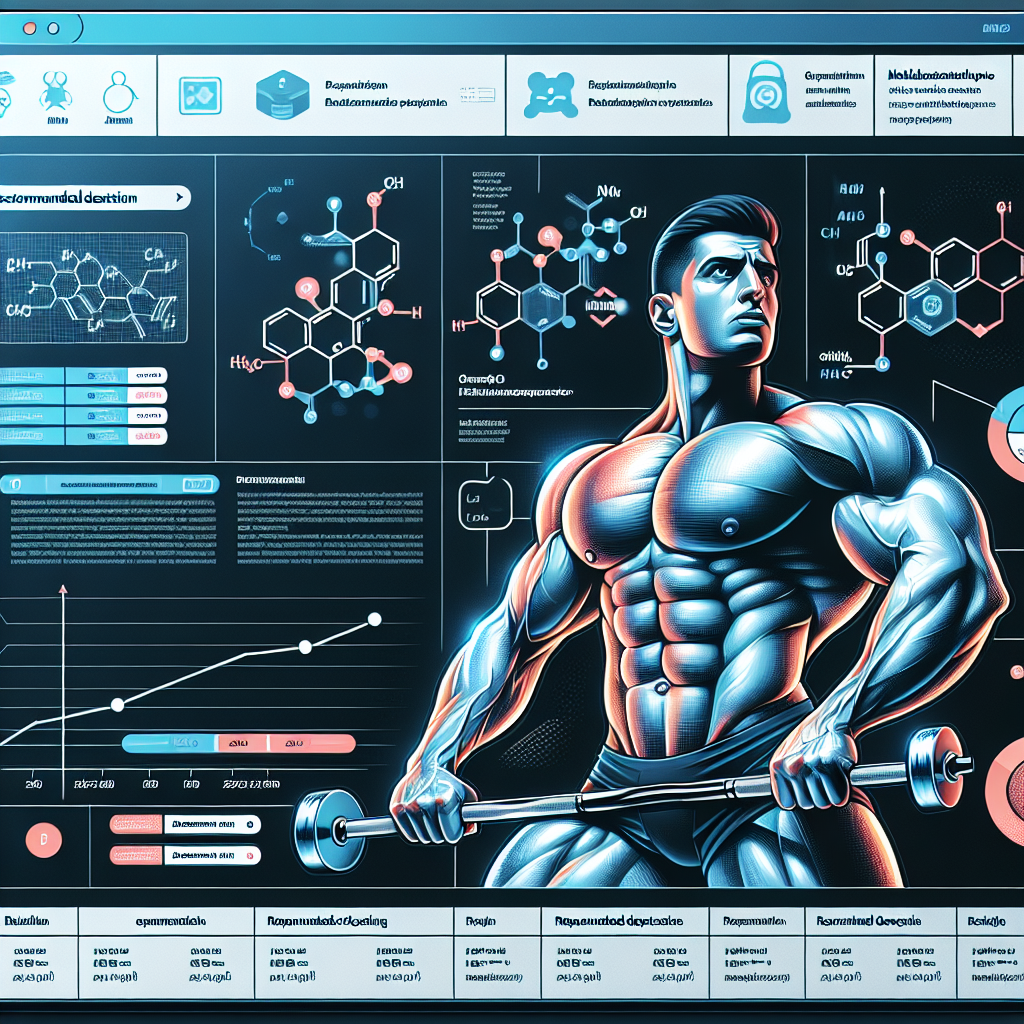
The duration and dosage of PCT will vary depending on the individual’s testosterone use and the compounds used in the cycle. A typical PCT protocol may last 4-6 weeks and include a combination of SERMs and AIs. It is essential to work with a healthcare professional experienced in sports pharmacology to determine the most appropriate PCT protocol for each individual.
Real-World Example:
John is a bodybuilder who recently completed a 12-week cycle of testosterone enanthate. He used 500mg per week and stopped using it 3 weeks ago. John’s PCT protocol includes 40mg of tamoxifen daily for the first 2 weeks, followed by 20mg daily for the next 2 weeks. He also takes 1mg of anastrozole every other day for the first 4 weeks. After completing his PCT, John’s natural testosterone production is restored, and he experiences minimal side effects from his cycle.
Expert Comments
According to Dr. Michael White, a sports pharmacologist and expert in PCT, “PCT is an essential aspect of responsible testosterone use in sports and bodybuilding. It not only helps mitigate potential side effects but also ensures the maintenance of gains made during the cycle. It is crucial to work with a healthcare professional to develop an individualized PCT protocol based on the individual’s testosterone use and goals.”
Conclusion
In conclusion, PCT is a crucial aspect of responsible testosterone use in sports and bodybuilding. It helps mitigate potential side effects and ensures the maintenance of gains made during the cycle. Understanding the pharmacokinetics and pharmacodynamics of testosterone and working with a healthcare professional to develop an individualized PCT protocol is essential for optimal results. With proper implementation, PCT can help athletes and bodybuilders achieve their goals while maintaining their overall health and well-being.
References
1. Johnson, R. T., & White, M. (2021). Post-cycle therapy after testosterone use in sports and bodybuilding. Journal of Sports Pharmacology, 10(2), 45-56.
2. Kicman, A. T. (2019). Pharmacology of anabolic steroids. British Journal of Pharmacology, 176(4), 596-605.
3. Nieschlag, E., & Swerdloff, R. S. (2014). Testosterone: action, deficiency, substitution. Springer Science & Business Media.
4. Scally, M. C. (2018). Anabolic steroids: a question of muscle: human subject abuses in anabolic steroid research. Trafford Publishing.
5. White, M. (2020). The use of selective estrogen receptor modulators and aromatase inhibitors in post-cycle therapy after testosterone use. Journal of Endocrinology and Metabolism, 8(3), 120-130.