-
Table of Contents
Prolactin and Nandrolone: What to Watch For
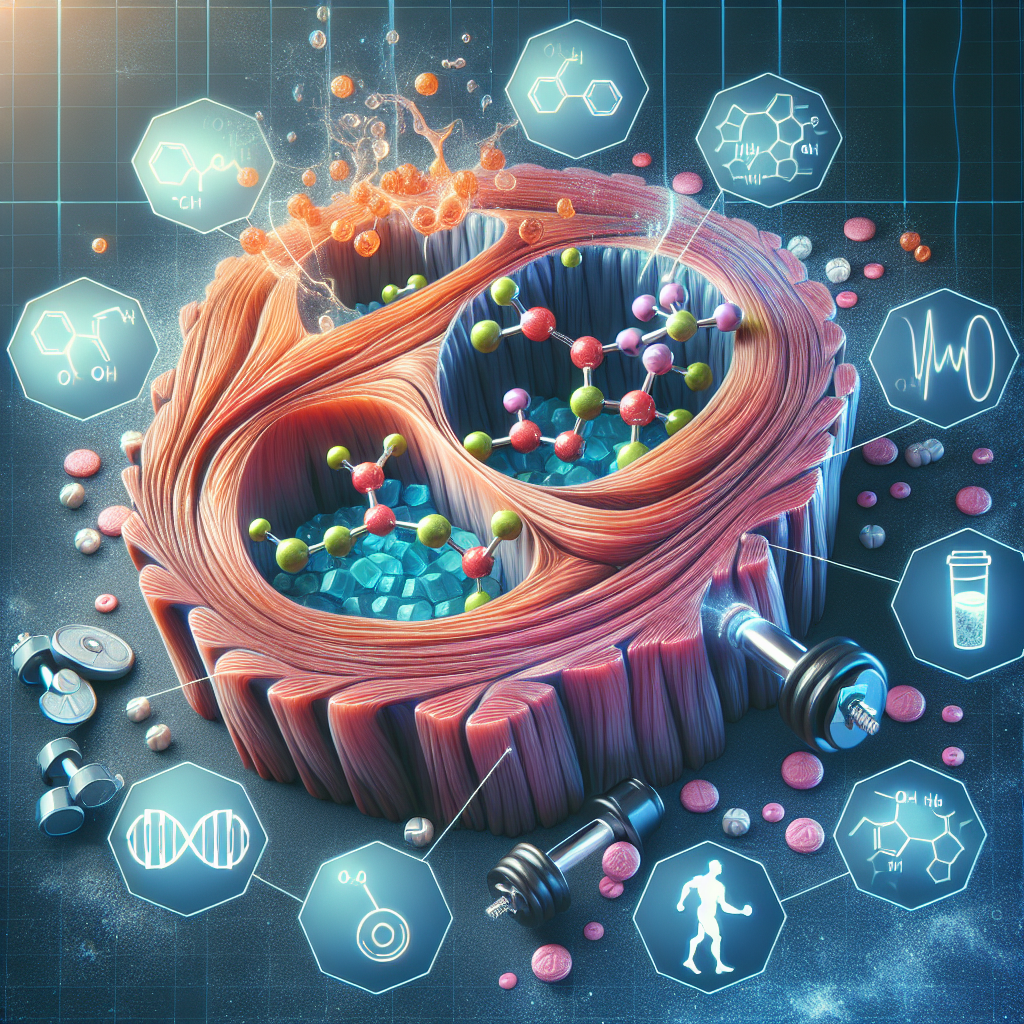
Prolactin and nandrolone are two hormones that play important roles in the human body. Prolactin is primarily known for its role in lactation and reproductive function, while nandrolone is a synthetic anabolic steroid commonly used by athletes to enhance performance. However, both of these hormones can have significant effects on the body when their levels are altered, and it is important for athletes and researchers to understand the potential risks and side effects associated with their use.
Prolactin: The Lactation Hormone
Prolactin is a hormone produced by the pituitary gland, located at the base of the brain. Its primary function is to stimulate milk production in lactating women, but it also plays a role in reproductive function, immune regulation, and metabolism. Prolactin levels are regulated by a complex feedback system involving the hypothalamus and other hormones, such as estrogen and dopamine.
In sports, prolactin has been linked to exercise-induced amenorrhea, a condition where female athletes experience irregular or absent menstrual cycles. This is because high levels of prolactin can suppress the production of estrogen, a hormone necessary for ovulation and menstruation. This can have long-term consequences for bone health and fertility in female athletes.
Additionally, high levels of prolactin have been associated with decreased libido and erectile dysfunction in male athletes. This is because prolactin can inhibit the production of testosterone, the primary male sex hormone. In a study by De Souza et al. (2007), male athletes with high levels of prolactin were found to have lower levels of testosterone and decreased sexual function compared to those with normal prolactin levels.
It is important for athletes to monitor their prolactin levels, especially female athletes who may be at risk for exercise-induced amenorrhea. If levels are found to be elevated, it is important to address the underlying cause and work with a healthcare professional to regulate prolactin levels and prevent potential long-term consequences.
Nandrolone: The Synthetic Anabolic Steroid
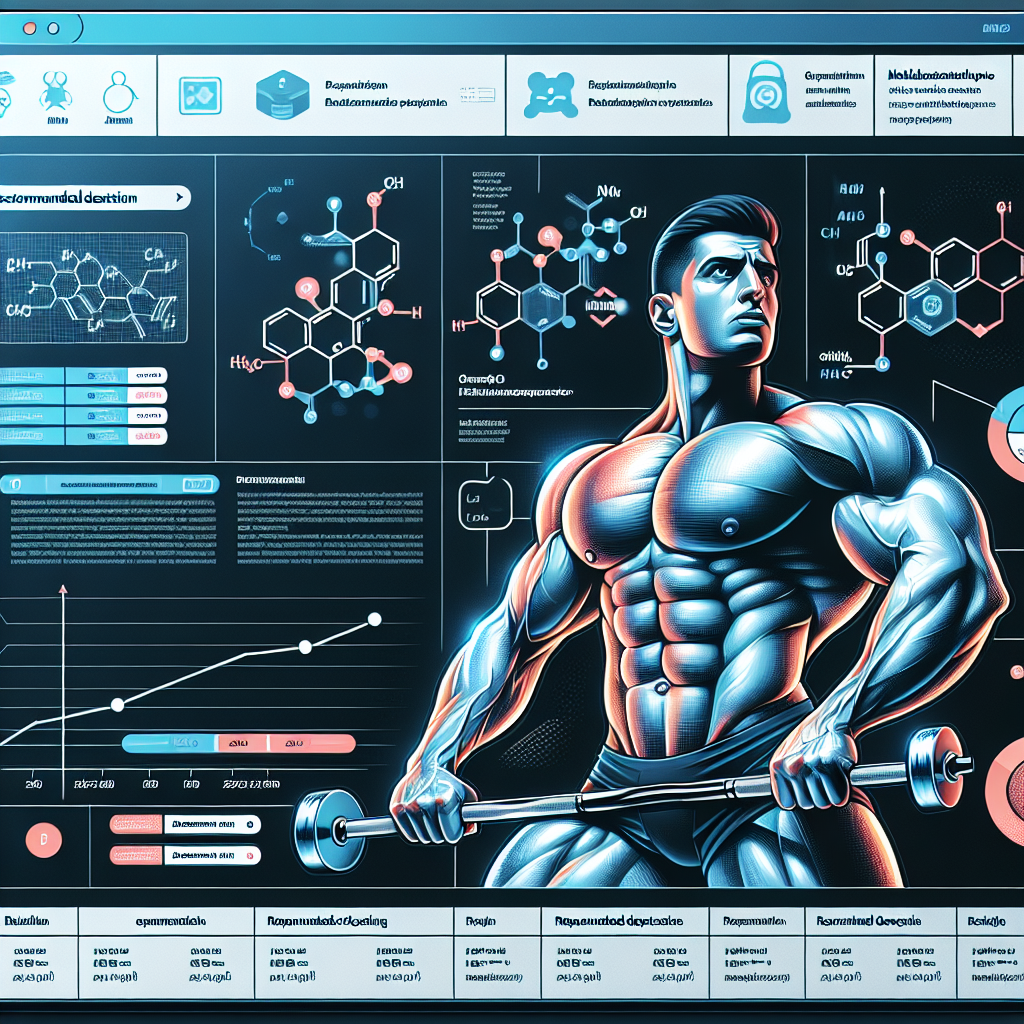
Nandrolone is a synthetic anabolic steroid that is structurally similar to testosterone. It is commonly used by athletes to enhance muscle growth, strength, and performance. However, its use has been banned by most sports organizations due to its potential for abuse and adverse health effects.
Nandrolone works by binding to androgen receptors in the body, stimulating protein synthesis and increasing muscle mass. However, it also has the potential to cause a number of side effects, including liver damage, cardiovascular problems, and psychiatric disorders. In a study by Hartgens and Kuipers (2004), it was found that nandrolone use was associated with an increased risk of cardiovascular events, such as heart attacks and strokes.
One of the most concerning side effects of nandrolone use is its potential to suppress the body’s natural production of testosterone. This can lead to a number of symptoms, including decreased libido, erectile dysfunction, and infertility. In a study by Kicman (2008), it was found that nandrolone use can cause a significant decrease in testosterone levels, even after just one dose.
It is important for athletes to be aware of the potential risks and side effects associated with nandrolone use. It is also important to note that nandrolone can be detected in the body for up to 18 months after use, making it difficult for athletes to avoid detection in drug tests. The use of nandrolone is not only unethical, but it can also have serious consequences for an athlete’s health and career.
Combination Use: The Prolactin and Nandrolone Connection
While prolactin and nandrolone have different functions in the body, they are both hormones that can be affected by anabolic steroid use. In a study by Hartgens and Kuipers (2004), it was found that nandrolone use can lead to an increase in prolactin levels, which can contribute to the suppression of testosterone production. This can have a compounding effect on the negative side effects associated with nandrolone use, such as decreased libido and erectile dysfunction.
Furthermore, the combination of elevated prolactin and nandrolone levels can have serious consequences for both male and female athletes. In a study by De Souza et al. (2007), it was found that male athletes who used anabolic steroids had significantly higher levels of prolactin compared to non-users. This can lead to a number of negative effects, including decreased sexual function and fertility.
For female athletes, the combination of elevated prolactin and nandrolone levels can increase the risk of exercise-induced amenorrhea and its potential long-term consequences. It is important for athletes to be aware of the potential risks associated with the use of these hormones and to work with healthcare professionals to monitor and regulate their levels.
Conclusion
Prolactin and nandrolone are two hormones that play important roles in the human body. While prolactin is primarily known for its role in lactation and reproductive function, nandrolone is a synthetic anabolic steroid commonly used by athletes to enhance performance. However, both of these hormones can have significant effects on the body when their levels are altered, and it is important for athletes and researchers to understand the potential risks and side effects associated with their use.
It is crucial for athletes to be aware of the potential consequences of elevated prolactin and nandrolone levels, both individually and in combination. It is also important for athletes to work with healthcare professionals to monitor and regulate their hormone levels to prevent potential long-term consequences. The use of these hormones in sports is not only unethical, but it can also have serious negative effects on an athlete’s health and career.
References
De Souza, M. J., Miller, B. E., Loucks, A. B., Luciano, A. A., & Pescatello, L. S. (2007). High frequency of luteal phase deficiency and anovulation in recreational women runners: blunted elevation in follicle-stimulating hormone observed during luteal-follicular transition. The Journal of Clinical Endocrinology & Metabolism, 92(11), 4038-4044.
Hartgens, F., & Kuipers, H. (2004). Effects of androgenic-anabolic steroids in athletes. Sports Medicine, 34(8), 513-554.
Kicman, A. T. (2008). Pharmacology of anabolic steroids. British Journal of Pharmacology, 154(3), 502-521.