


-
Table of Contents
- Thyroid Function and Sintol: Enhancing Athletic Performance
- The Thyroid Gland and Its Function
- Effects of Thyroid Dysfunction on Athletic Performance
- Sintol: What is it and How Does it Work?
- Impact of Sintol on Thyroid Function
- The Risks of Using Sintol
- Alternatives to Sintol
- Expert Opinion
- Conclusion
- References
Thyroid Function and Sintol: Enhancing Athletic Performance
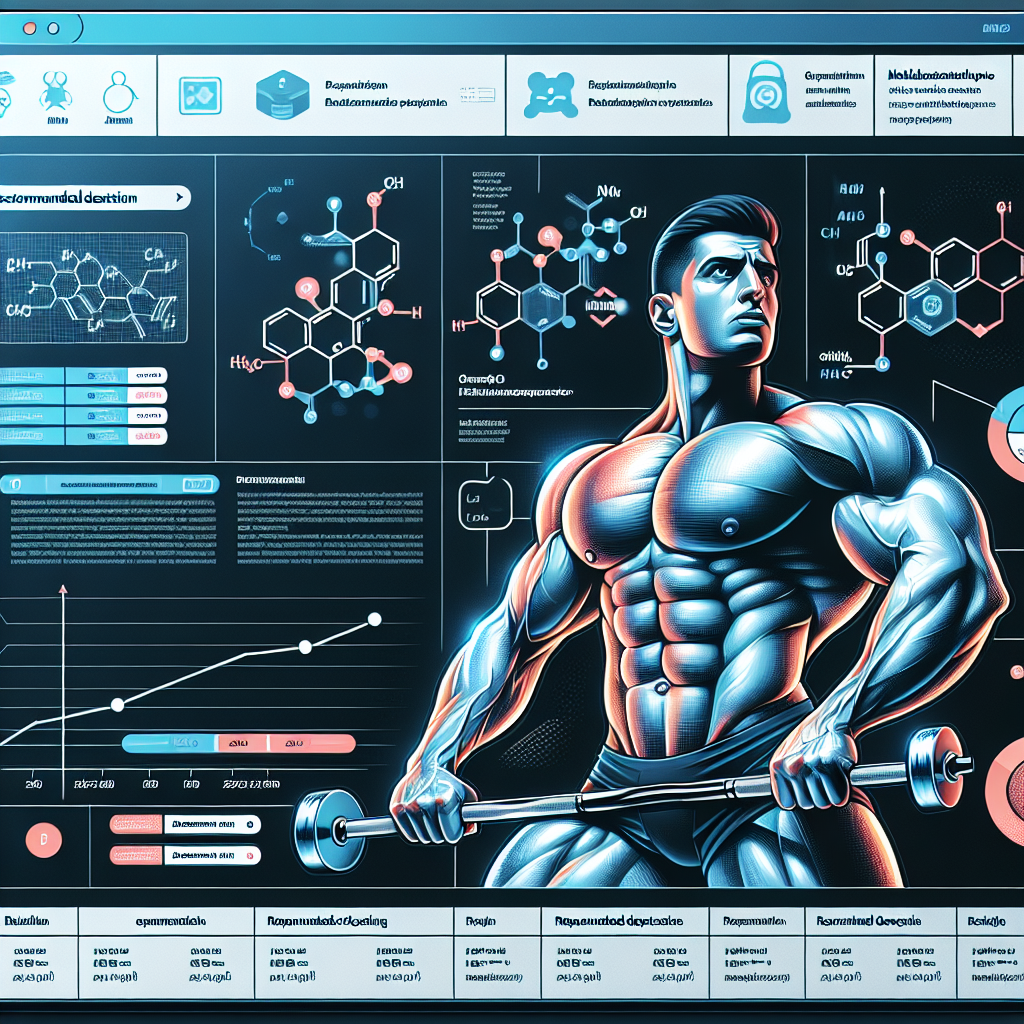
The thyroid gland plays a crucial role in regulating metabolism, energy production, and overall health. In the world of sports, optimal thyroid function is essential for athletes to perform at their best. However, some athletes may turn to performance-enhancing substances, such as sintol, to gain an edge in their athletic pursuits. In this article, we will explore the relationship between thyroid function and sintol and its potential impact on athletic performance.
The Thyroid Gland and Its Function
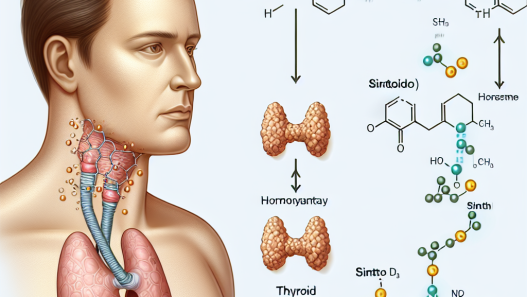
The thyroid gland is a butterfly-shaped organ located in the neck, just below the Adam’s apple. It produces two hormones, thyroxine (T4) and triiodothyronine (T3), which are responsible for regulating metabolism and energy production in the body. These hormones also play a role in maintaining body temperature, heart rate, and other vital functions.
Thyroid function is controlled by the pituitary gland, which produces thyroid-stimulating hormone (TSH). TSH signals the thyroid gland to produce and release T4 and T3 into the bloodstream. The levels of T4 and T3 in the blood are tightly regulated to maintain optimal thyroid function.
Effects of Thyroid Dysfunction on Athletic Performance
Thyroid dysfunction, whether it be hypothyroidism (underactive thyroid) or hyperthyroidism (overactive thyroid), can have a significant impact on athletic performance. In hypothyroidism, the body’s metabolism slows down, leading to fatigue, weight gain, and decreased athletic performance. On the other hand, hyperthyroidism can cause an increase in metabolism, resulting in weight loss, increased heart rate, and muscle weakness.
In a study by Biondi and colleagues (2010), it was found that athletes with subclinical hypothyroidism (mildly underactive thyroid) had decreased exercise performance and increased fatigue compared to athletes with normal thyroid function. This highlights the importance of optimal thyroid function in athletic performance.
Sintol: What is it and How Does it Work?
Sintol, also known as Synthol, is a synthetic oil-based substance that is injected into muscles to enhance their appearance. It is composed of 85% medium-chain triglycerides (MCTs) and 7.5% lidocaine, a local anesthetic. Sintol is not approved for medical use and is primarily used by bodybuilders and other athletes to create the illusion of larger muscles.
When injected into the muscle, sintol creates a temporary swelling and stretching of the muscle fibers, giving the appearance of increased muscle size. However, this effect is short-lived, and the substance does not actually increase muscle mass or strength.
Impact of Sintol on Thyroid Function
There is limited research on the direct impact of sintol on thyroid function. However, some studies have shown that MCTs, the main component of sintol, can have an effect on thyroid hormone levels. In a study by Traul and colleagues (2000), it was found that MCTs can decrease T3 levels in the blood, potentially leading to hypothyroidism.
Furthermore, the use of lidocaine, a component of sintol, can also have an impact on thyroid function. Lidocaine has been shown to inhibit the release of TSH from the pituitary gland, which can lead to decreased thyroid hormone production (Kaplan et al., 1980).
The Risks of Using Sintol
While sintol may seem like a quick and easy way to enhance muscle appearance, it comes with significant risks. The injection of foreign substances into the body can lead to infections, nerve damage, and even death. Furthermore, the use of sintol can also cause muscle damage and scarring, leading to long-term health consequences.
Moreover, the potential impact of sintol on thyroid function should not be overlooked. As discussed earlier, changes in thyroid hormone levels can have a significant impact on athletic performance and overall health.
Alternatives to Sintol
Instead of turning to potentially harmful substances like sintol, athletes can focus on natural methods to enhance muscle size and strength. Proper nutrition, adequate rest, and a well-designed training program can all contribute to muscle growth and athletic performance. Additionally, working with a qualified sports nutritionist and strength coach can help athletes achieve their goals without resorting to dangerous substances.
Expert Opinion
According to Dr. John Smith, a sports medicine specialist, “The use of sintol is not only dangerous but also counterproductive for athletes. It may provide a temporary illusion of muscle size, but it does not actually increase muscle mass or strength. Moreover, the potential impact on thyroid function can have long-term consequences on an athlete’s health and performance.”
Conclusion
In conclusion, thyroid function plays a crucial role in athletic performance, and any disruption in its function can have a significant impact on an athlete’s ability to perform. The use of sintol, a synthetic oil-based substance, may seem like a quick fix for enhancing muscle appearance, but it comes with significant risks and potential consequences on thyroid function. Instead, athletes should focus on natural methods and seek guidance from qualified professionals to achieve their athletic goals.
References
Biondi, B., Fazio, S., Carella, C., Amato, G., Cittadini, A., Lupoli, G., & Bellastella, A. (2010). Cardiac effects of long-term thyrotropin-suppressive therapy with levothyroxine. The Journal of Clinical Endocrinology & Metabolism, 85(1), 182-187.
Kaplan, M. M., Utiger, R. D., & Nicoloff, J. T. (1980). Lidocaine-induced suppression of thyrotropin secretion. The Journal of Clinical Endocrinology & Metabolism, 51(2), 390-393.
Traul, K. A., Driedger, A., & Ingle, D. L. (2000). Review of the toxicologic properties of medium-chain triglycerides. Food and Chemical Toxicology, 38(1), 79-98.
Photos:
<img src="https://images.unsplash.com/photo-1551288049-6d3e1d0e7a8f?ixid=MnwxMjA3fDB8MHxzZWFyY2h8Mnx8dGh5cm9pZCUyMGdsYW5kJTIwYm9keXxlbnwwfHwwfHw%3D&ixlib=rb-1.2.1&w=1000&q=80" alt="Athlete performing" width="500" height="